

The Team
Meet our Team and Facilitators:
-
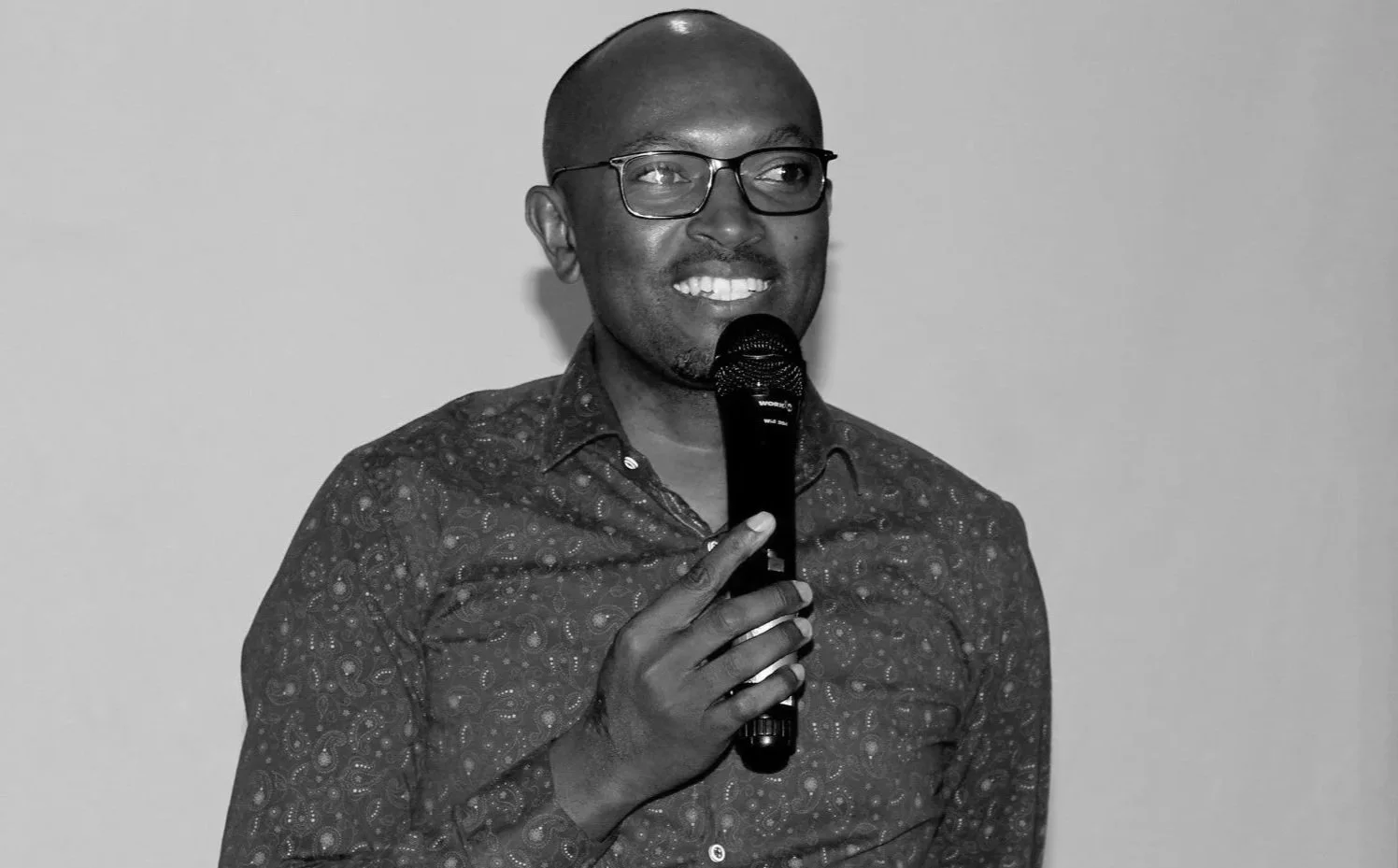
Nicolas Gatambi is a dedicated peace practitioner with over a decade of hands-on experience in conflict mitigation within the African Great Lakes region. His work primarily focuses on empowering youth and media partners involved in peacebuilding efforts across Burundi, Rwanda, DRC, and Tanzania.
A seasoned journalist and media professional, he is passionate about promoting sensitive and conflict-sensitive reporting. Nicolas has trained numerous journalists and media practitioners, fostering responsible journalism that contributes to peace and stability.
Deeply committed to digital peacebuilding, Nicolas has conducted extensive training sessions for civil society organizations across Africa, including Kenya, Nigeria, Burkina Faso, Ethiopia, and Central African Republic, advancing innovative approaches to peacebuilding in the digital space. His lived experience as a peace practitioner reflects a steadfast dedication to fostering dialogue, understanding, and reconciliation in some of the most challenging contexts.
“I believe in Common Ground Leadership because in a world of increasing division, true progress begins when leaders embrace our shared humanity, listen deeply to divergent perspectives, and build bridges of understanding. It is through finding common ground that lasting change becomes possible, guiding us toward a more peaceful and united future”.
-
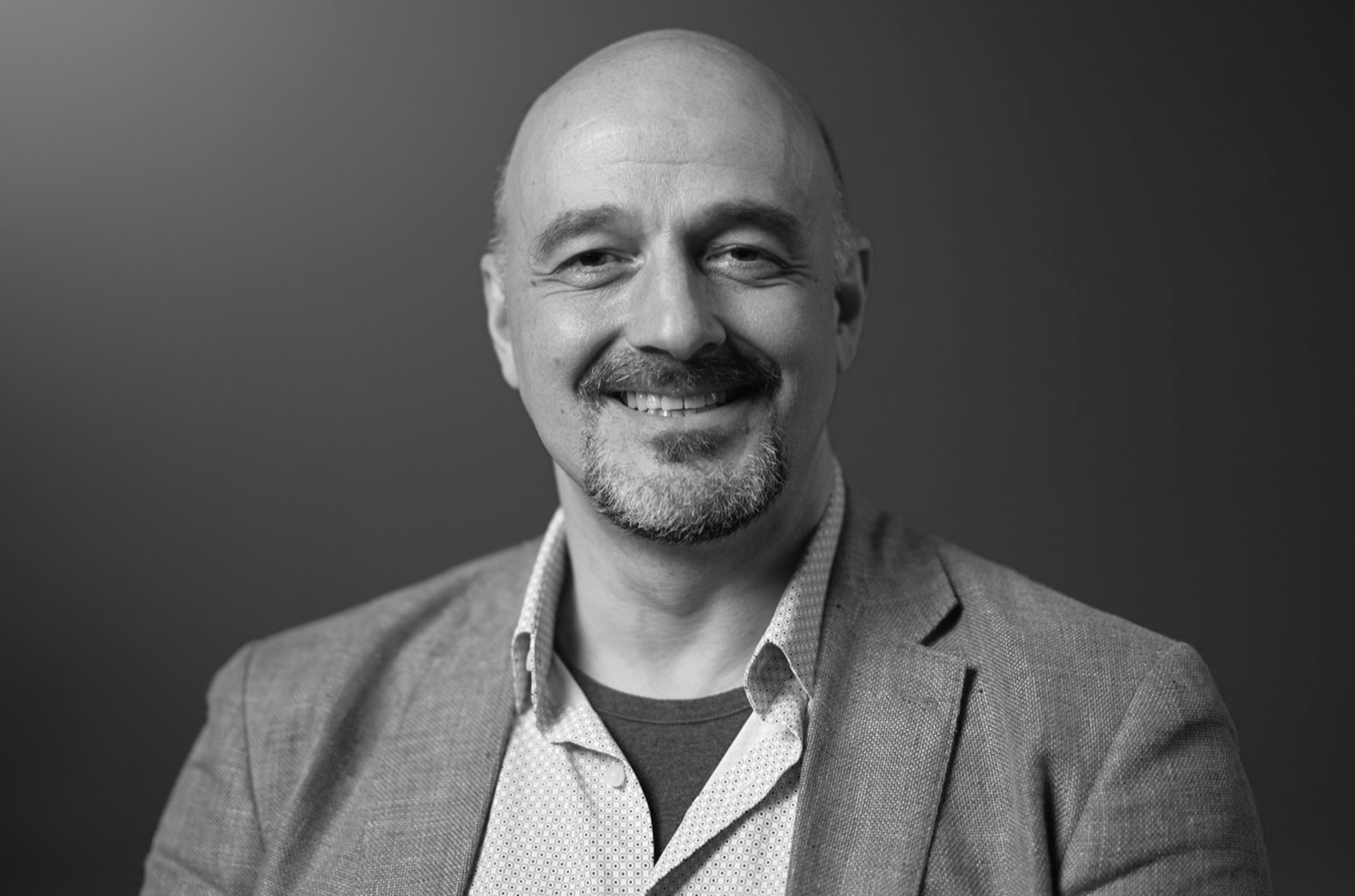
Shamil Idriss is the CEO of Search for Common Ground, the largest dedicated peacebuilding organization, which focuses on transforming how the world deals with conflict, moving toward cooperative solutions. Operating with over 850 staff in 35 countries, Search was nominated for the 2018 Nobel Peace Prize, and its impact was noted by then-U.S. Secretary of State John Kerry for helping prevent genocide in Burundi and aiding in the Iran nuclear talks.
Shamil has driven Search’s growth and influence by leading merger processes with Soliya and Preemptive Love Coalition, and securing strategic partnerships with global entities including Meta and the Office of the UN Undersecretary for Humanitarian Affairs. His past leadership roles include serving as CEO of Soliya, where he established the field of virtual exchanges through a public-private sector coalition. Furthermore, he was appointed Deputy Director of the UN Alliance of Civilizations by then-UN Secretary-General Kofi Annan in 2005. Idriss is also a member of the World Economic Forum's Young Global Leaders and serves on the Boards of Giving Tuesday and One Earth Future Foundation. He regularly delivers addresses on topics such as international conflict resolution and social entrepreneurship.
-
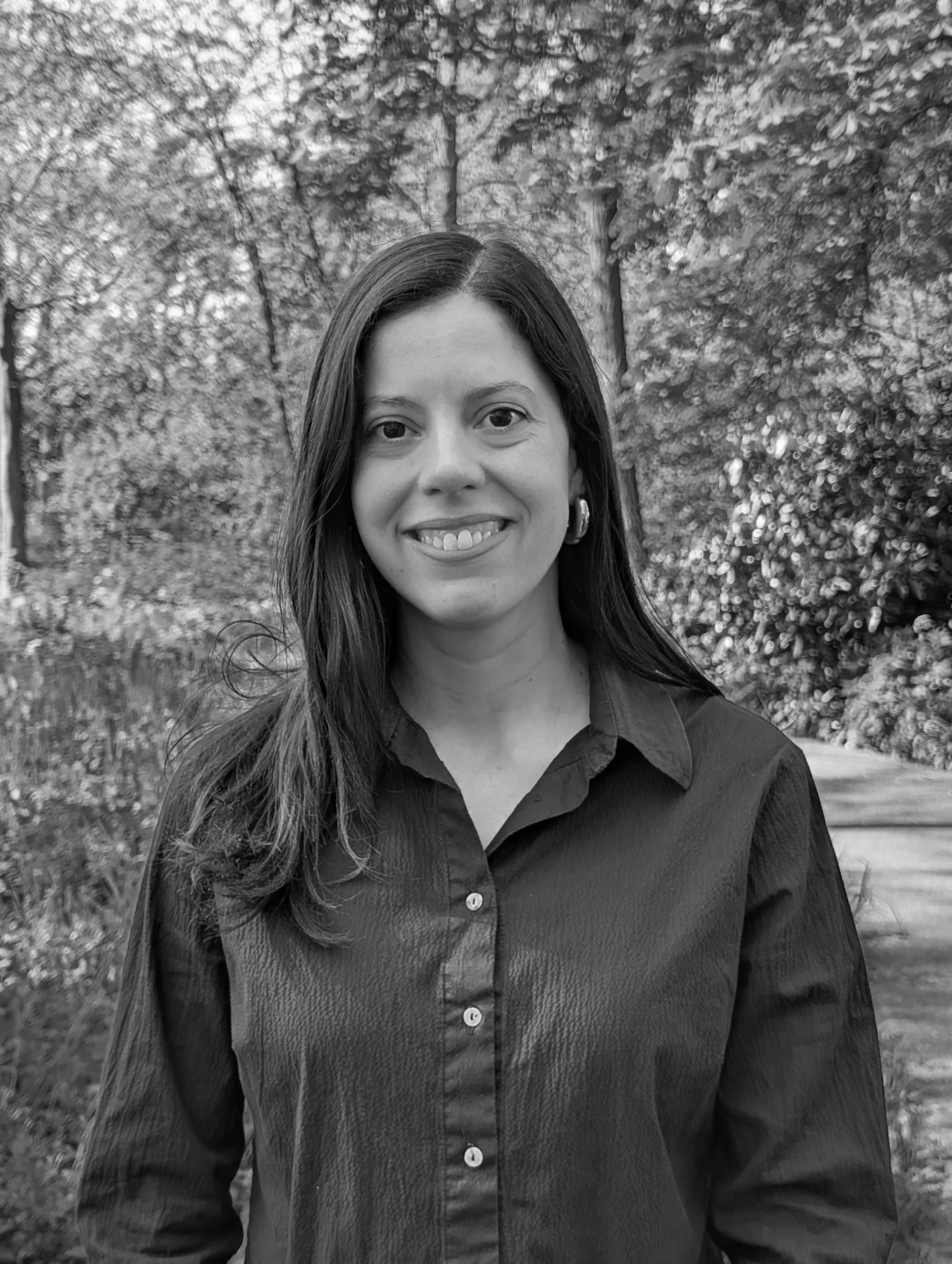
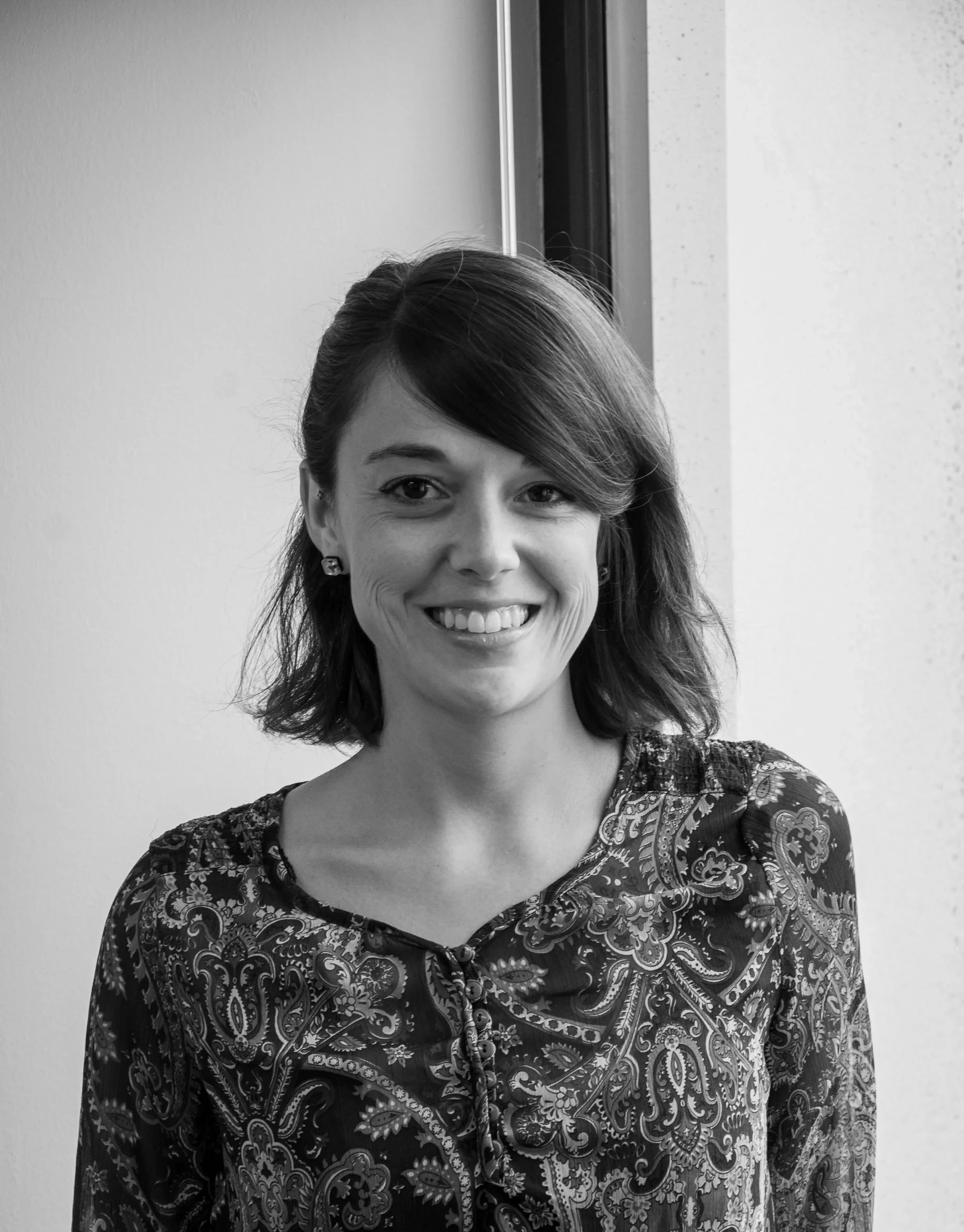
Cecilia Rivero is a Venezuelan peacebuilding and governance professional with over five years of experience in conflict transformation, community engagement, and capacity building. Most of her work has been in Venezuela, where she worked with Search for Common Ground, delivering training on conflict transformation and dialogue facilitation with diverse communities, including women leaders. She holds a Master's in Public Administration from Leiden University and is currently based in The Hague, where she is an active member of the Humanity Hub's Collective for Democracy & Rule of Law. She is particularly interested in how communities and authorities can work together to achieve sustainable change, even in the most complex environments.
"I believe in Common Ground Leadership because I have seen it work. In leaders who hold conflicting truths at the same time, who recognize everyone's dignity, and who still choose to collaborate in a world that is growing more comfortable with binaries. Common Ground Leaders are stubborn in the best possible way: they refuse to give up on the idea that things can be better together."
-
Anaïs Caput is the Senior Manager of Common Ground Leadership, bringing over 15 years of experience in strategy, design, and learning for conflict transformation programs in the most polarized societies in the world. In her current role, she contributes to the expansion of Search’s impact by popularizing a model of transformational leadership that drives change through collaboration across lines of conflict. Throughout her career at Search, Anaïs has supported the development and roll out of key strategic and learning initiatives, including Search’s flagship Peace Impact Framework and latest organizational strategy. Prior to joining Search, Anaïs provided research assistance for the United Nation’s Office of the Special Adviser on the Prevention of Genocide and the Tanenbaum Center for Interreligious Understanding, and for the French Ministry of Defense. Originally from France, Anaïs holds an M.A in Conflict Analysis and Peacebuilding from the Institut d’Études Politiques of Lille and a B.A. in International Relations and European Studies from the Institut d’Études Politiques of Strasbourg.
“At a time when many only saw despair, I have seen the power of Common Ground Leadership: people choosing to listen with openness rather than assume, and to engage rather than isolate or ignore. It takes courage and patience, but it creates tangible results that are far more likely to last.”
-
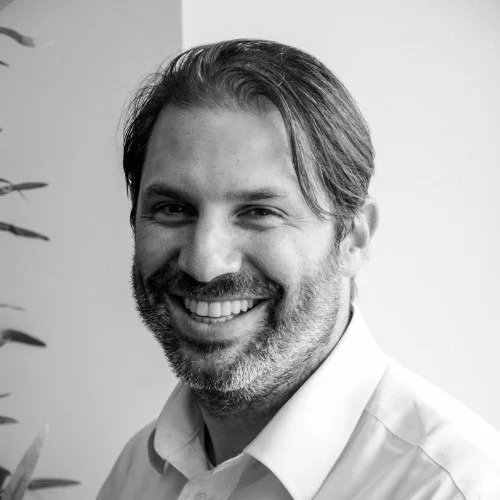
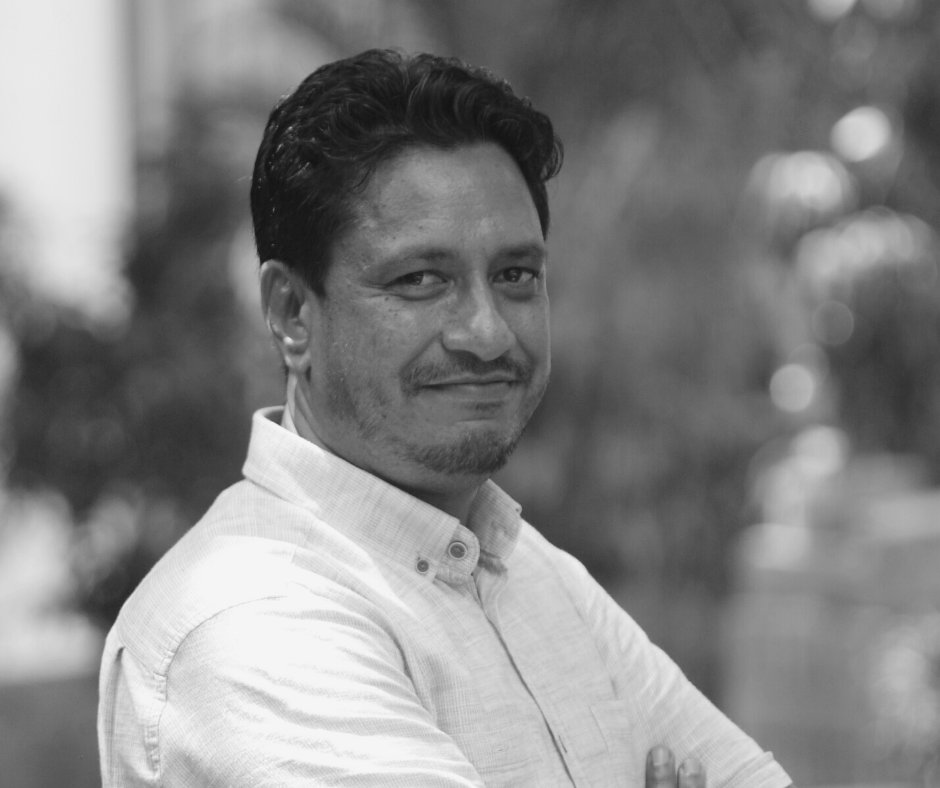
Michael Shipler is the Vice President of Common Ground Leadership, bringing over 25 years of experience driving social impact by fostering collaboration across deep divides. His expertise in Common Ground Leadership is rooted in a career spent navigating complex conflicts to design and scale innovative global initiatives. Michael’s leadership record includes serving as the interim CEO of Soliya and holding several key executive roles at Search, including Vice President of Strategy and Asia Regional Director. Throughout his career, Michael has achieved high-stakes results across diverse contexts. He expanded Search’s operations into 11 Asian countries, co-founded the Washington Network on Children and Armed Conflict, and was part of the founding team for the Roméo Dallaire Child Soldiers Initiative. His work also includes pioneering the youth, peace, and security field, co-founding pivotal programs for Nepal’s peace process, and serving as a trainer and instructor for the Australian Agency for International Development, the Inter-American Defense College, and American University. He holds a Master’s degree from the Department of War Studies at King’s College London.
"All over the world there are already Common Ground Leaders. From members of parliament to CEOs of companies to heads of global human rights movements, there are leaders who reach out across divides to work together, achieving real results. Our dream is to spread this type of leadership widely and all over the world."
-
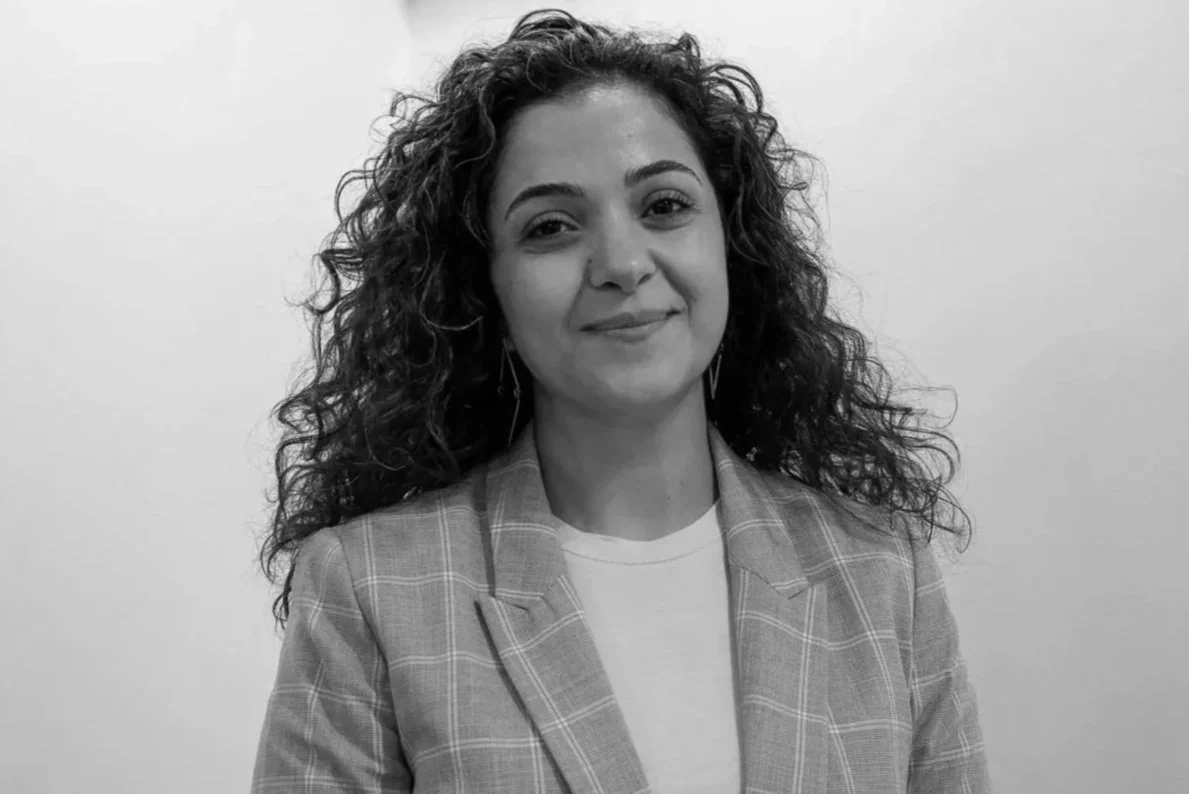
With over twenty-five years of progressive leadership experience, Nawaz Mohammed has worked extensively with international NGOs and diplomatic missions in Sri Lanka and globally, supporting societies transitioning from violence and fragility toward sustainable peace and development. His work has focused on fostering collaborative, multi-stakeholder partnerships in deeply divisive and adversarial contexts, grounded in both professional expertise and personal lived experience during Sri Lanka’s conflict—where he endured profound personal loss, including the deaths of close family members. He has also served as a trainer and facilitator at both regional and international levels, delivering programs on peacebuilding and inclusive governance to diverse stakeholders.
He has held several senior leadership roles, including Country Director for Search for Common Ground in Sri Lanka and the Maldives for fifteen years, and leading country program development in Afghanistan. He also served as a Director within one of the three peace secretariats during the Norwegian-facilitated peace process (2002–2005). Nationally, he was the Founding CEO of the National Media Center and later served as Working Director of Sri Lanka Rupavahini during critical periods of reconciliation and democratic reform (2016–2018).
His contributions include strategic engagement in national peace processes, advancing a landmark 25% women’s quota in local government, supporting women, peace, and security coalitions, and bridging partnerships among government, civil society, and technology actors during complex legislative reforms on online safety.
“Across fractured societies, there are leaders who choose courage over division—who listen where others harden, and build where others break. My journey, shaped by both personal loss and decades of work in conflict-affected spaces, has shown me that lasting peace is not forged by institutions alone, but by people willing to bridge the deepest divides. True leadership lies in bringing unlikely partners together—governments, communities, and changemakers—to co-create pathways toward justice, inclusion, and resilience. The vision is simple yet urgent: to nurture a world where collaborative leadership becomes the norm, not the exception, and where even the most divided societies can find their common ground.”
-
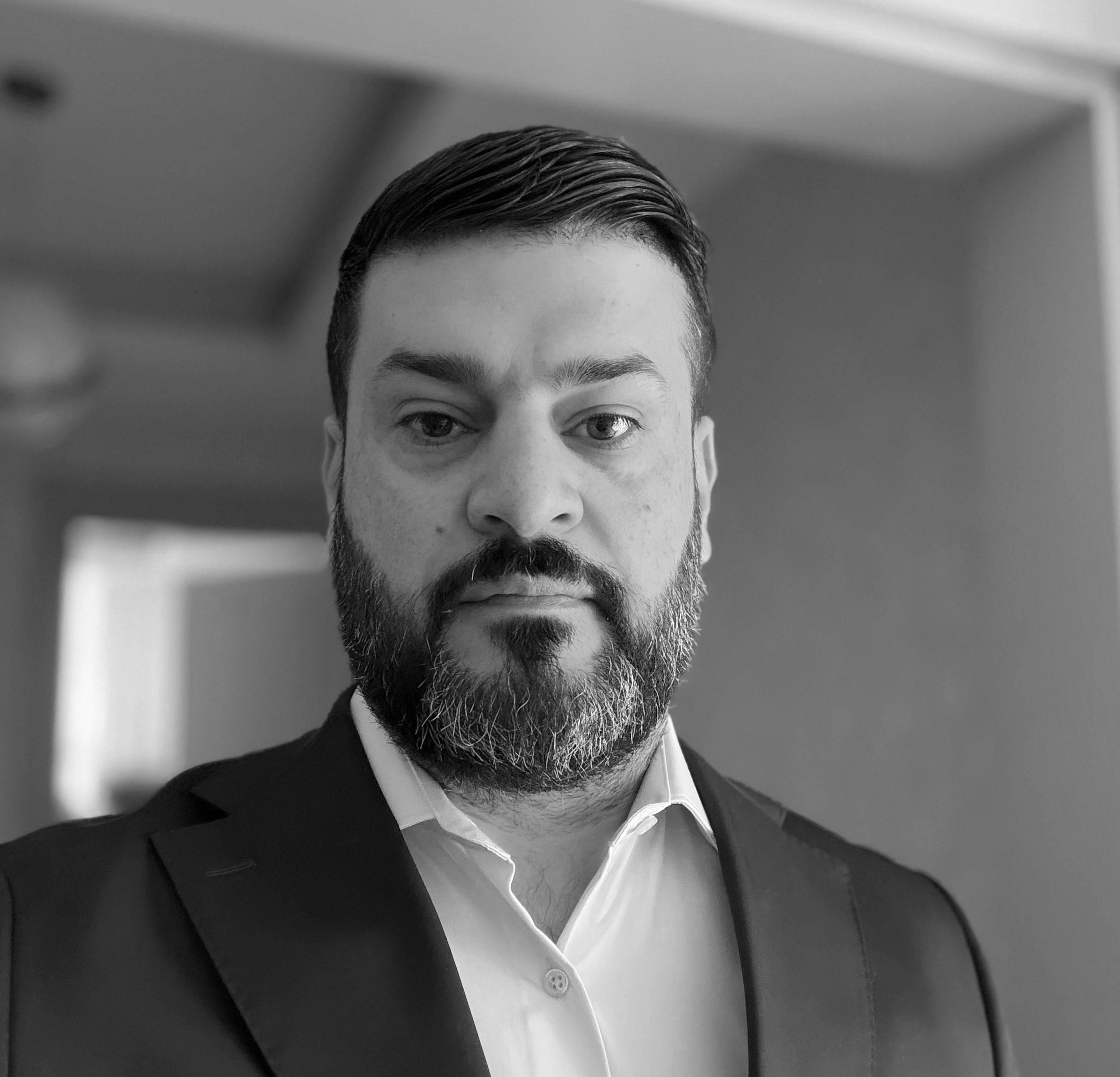
Doha Adiis a Senior Projects Manager at Search for Common Ground, leading peacebuilding and social cohesion initiatives across Syria, Lebanon, and beyond. With over a decade of experience in media, humanitarian, and development work, working with local and international actors in Lebanon and Syria and other countries, she specializes in strengthening civil society, facilitating dialogue, and designing locally driven interventions in complex and conflict-affected settings. Her work focuses on empowering local actors and communities to address critical issues such as protection and reintegration, youth engagement, media for peacebuilding, and gender equality.
Doha leads a team of trainers, facilitators, mediators, and civil society activists, and brings a strong understanding of narrative, culture, and community dynamics, enabling her to bridge perspectives and support sustainable, community-owned solutions.
“Leadership, with ‘common ground’ at its core, in my experience, is about being intentional with what often feels intuitive. It’s about paying attention to the small details, the unseen dynamics, and the subtle ways we engage with others. What we hope to do throughout this learning journey, is to identify these nuances and understand how we can refine them, turning these practices into second nature, ultimately strengthening how we build trust and advance our common ground vision.”
-
Peshtkir Hizir is the Country Director for Iraq and Yemen at Search for Common Ground, bringing over 15 years of experience in humanitarian work, mediation, and peacebuilding across some of the world's most challenging conflict environments. His earlier career as a journalist covering the Middle East has given him a grounded perspective on the region's ongoing conflicts and the communities affected by them.
Over the past six years, Peshtkir has worked closely with youth, women, community and religious leaders, and government institutions to advance mediation efforts and shape policy recommendations that open new pathways for peace. His contributions include work on Iraq's National Action Plans and leadership of the largest Freedom of Religion and Belief program in the country, operating in conflict and post conflict areas to rebuild trust among communities once in active opposition to one another.
He has also partnered with Iraqi government institutions and human rights defenders to elevate human rights issues nationally and to design practical, multi stakeholder strategies for addressing them together.
“The value for many leaders on this journey is not only theoretical. It lies equally in the stories, the lessons learned, and the variety of solutions shared among peers. Because no single approach works for every context, the experience becomes a genuine opportunity to learn from one another.”
-
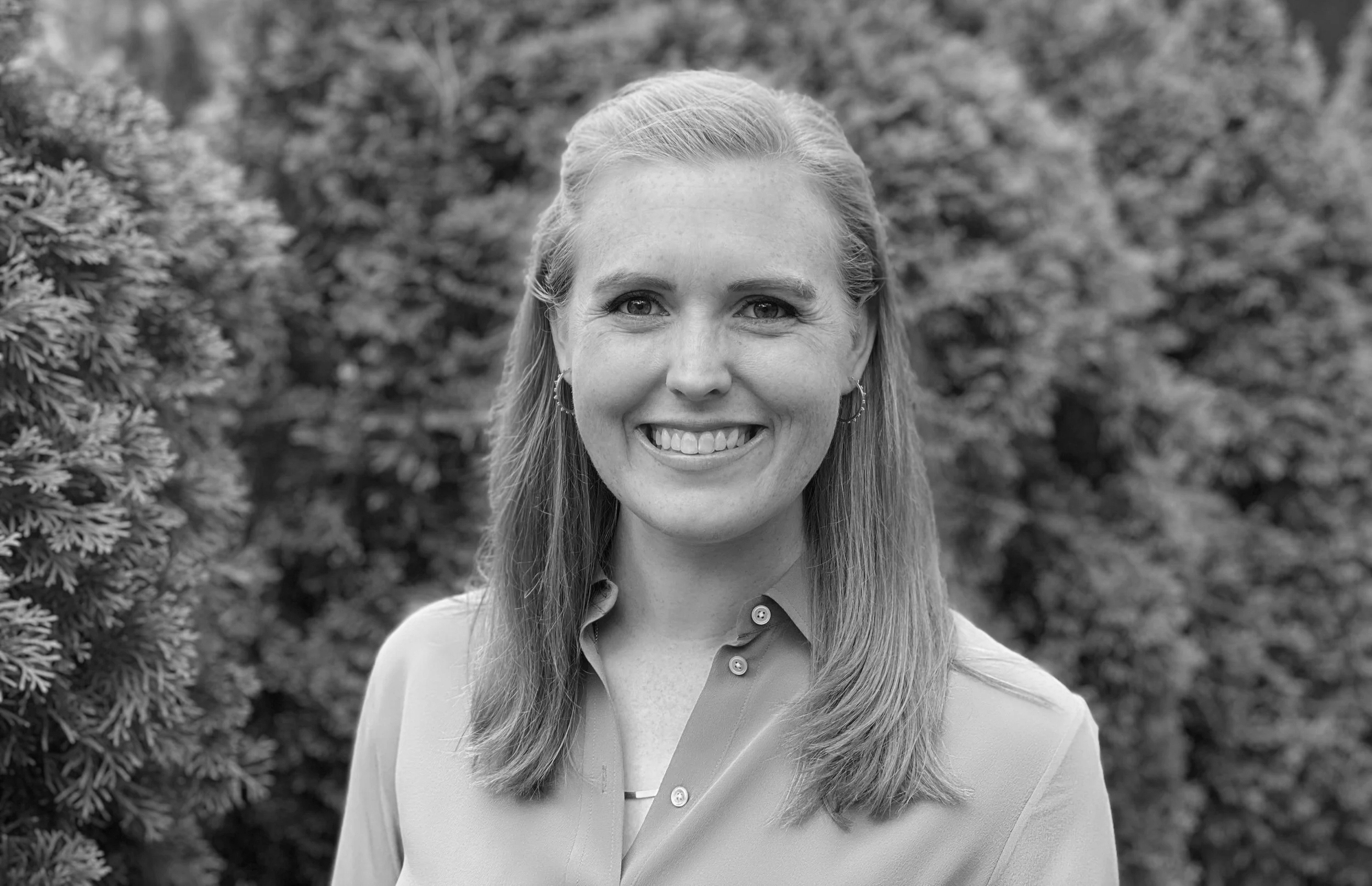
Katie Smith is a U.S. policy specialist at Search for Common Ground with over a decade of experience navigating high-stakes, polarized environments. An expert in bridging deep divisions, she shapes U.S. responses to war, mass atrocities, and genocide by championing preventive, non-military interventions. Her career is dedicated to ensuring peacebuilding remains a prioritized path in global foreign policy.
Katie’s success is rooted in building diverse coalitions to find common ground for systemic breakthroughs. She was a key driver in the passage of the Global Fragility Act and the Elie Wiesel Genocide and Atrocities Prevention Act. By bridging the gap between conflict-zone lived experiences and the corridors of power, she translates local realities into actionable policy. She has proven this approach works at the highest levels. Notably, she led a delegation of Sudanese women experts into formal ceasefire negotiations, contributing to outcomes like the opening of the Adré border for humanitarian aid and civilian protection.
When not navigating international crises, Katie hones her mediation skills at home as the mother of three young boys. They provide daily practice in finding common ground - even, and especially, when it feels most elusive.
“We are often sold a false choice: that "choosing sides" proves who we are; in reality, it only limits what we can achieve. I've learned that when we stop choosing sides and start embracing complexity, we finally find the path forward that once seemed impossible.”
-
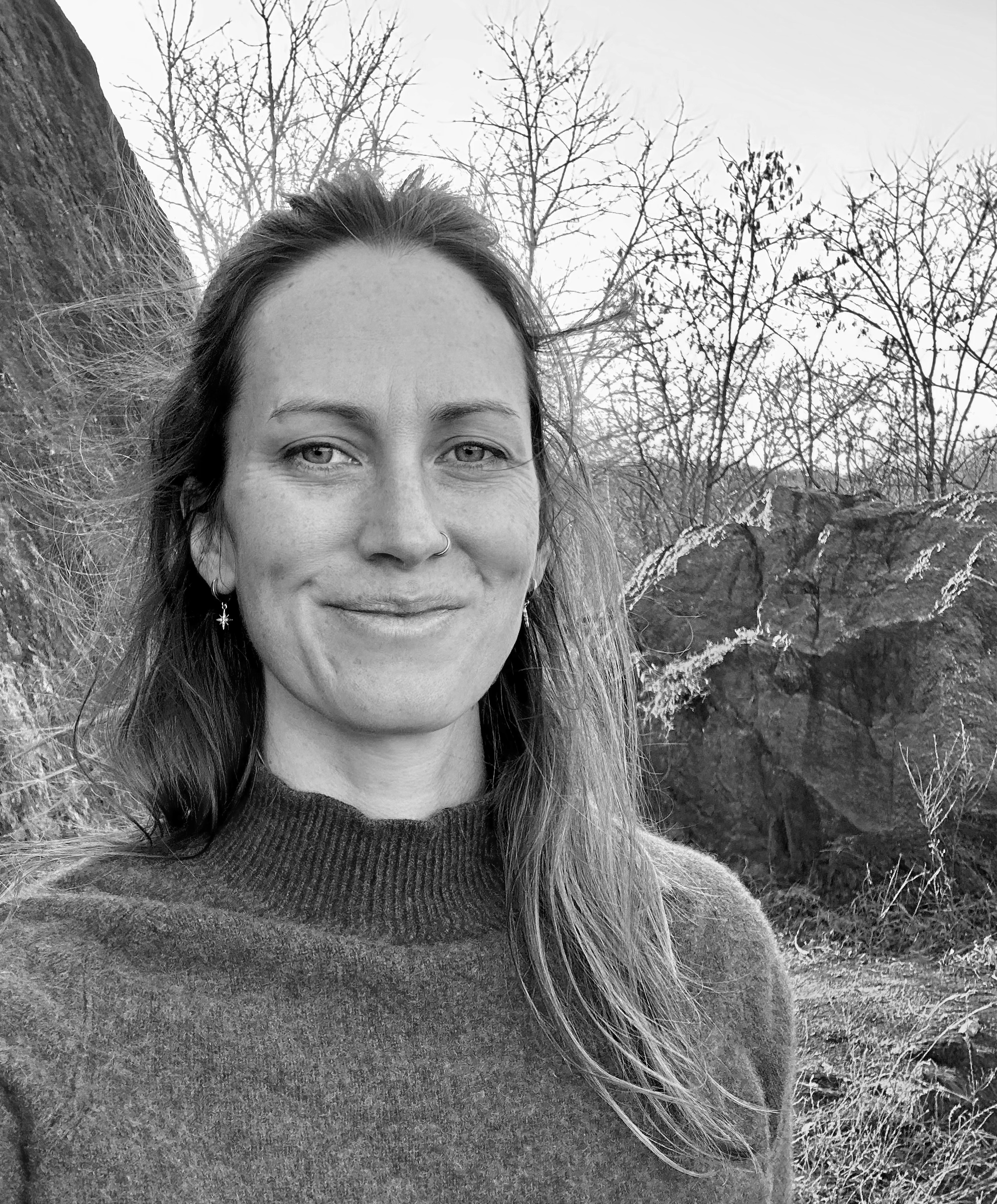
Rachel Walsh Taza serves as Senior Manager of Global Programs at Search for Common Ground, with over fifteen years working across cultural, generational, and sectoral divides. Early in her career she facilitated exchanges between youth with disabilities in the United States and Syria, supported programs in Lebanon that brought refugees and host communities together around education, and contributed to initiatives that convened people across sectarian lines to engage on human rights.
Since joining Search in 2016, she has facilitated international communities of practice focused on strengthening accountability between donors, practitioners, and communities, and piloted participatory research and programming approaches in contexts from Sri Lanka to South Sudan. Much of this work has centered on young people and developing research methodologies, protection frameworks, and platforms now used by practitioners in over 30 countries to support youth participation in peace and security. She holds a B.A. in Middle Eastern Studies and International Relations from the College of William and Mary and is proficient in Arabic.
“I've seen resistance and tension flourish when we try to address an issue for one group without considering the needs of another. But in every context I've worked in - from sectarian divides in Lebanon to youth-adult tensions in global policy processes - I've also witnessed courageous individuals take real risks to reach across differences. These Common Ground Leaders inspire me every day and remind me why this work matters.”
-
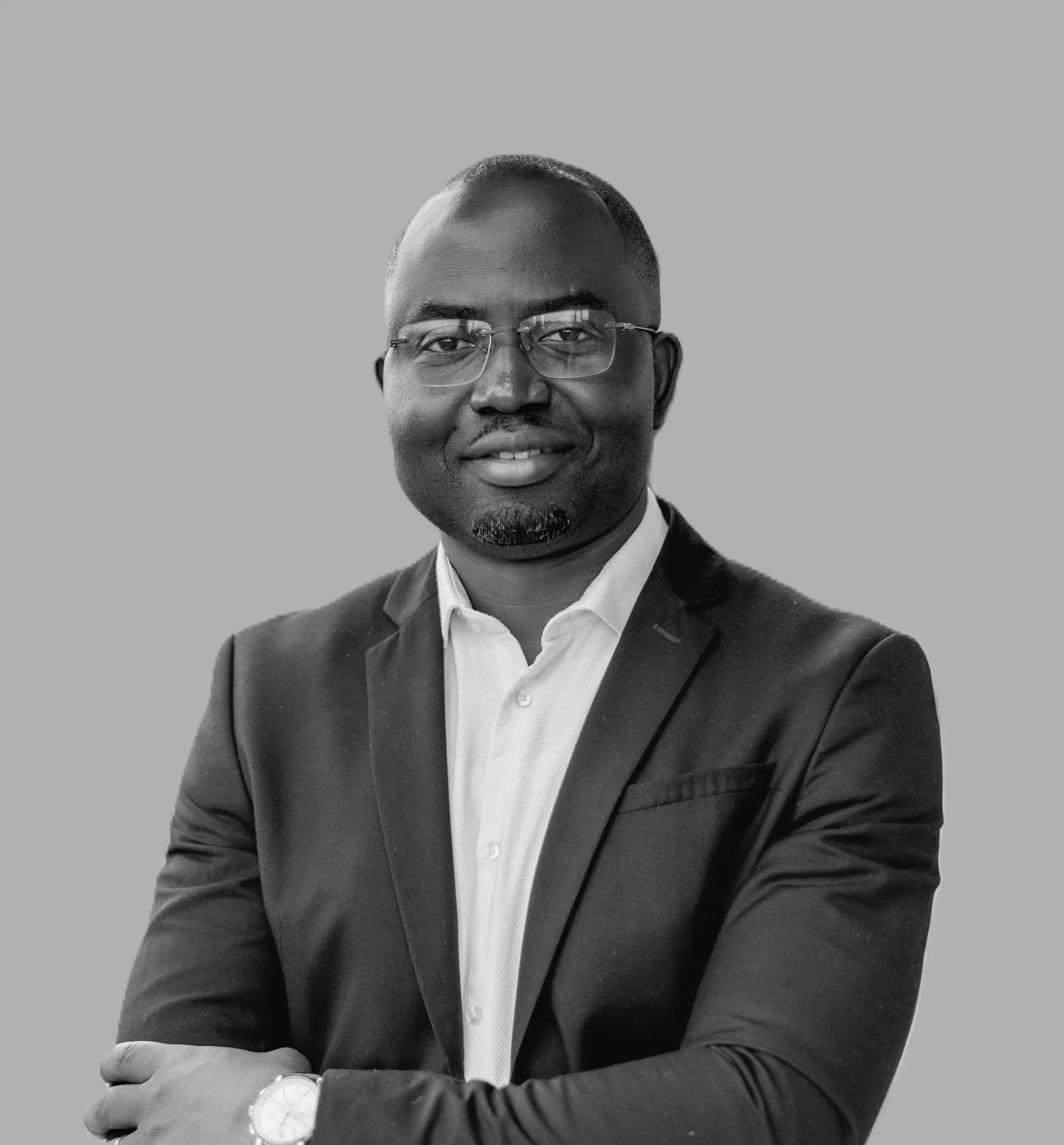
Laurent Kasindi is a seasoned peacebuilding practitioner with over 17 years of experience across the Great Lakes region and West Africa. Currently serving as Senior Program Quality Specialist at Search for Common Ground, he supports teams in more than 20 countries to strengthen the quality, relevance, and impact of peacebuilding initiatives.
Laurent's journey began in civil society, where he coordinated a human rights organization in South Kivu and was elected deputy lead of a provincial youth association network. His passion for media and arts-based peacebuilding led him to lead theatre groups, ballet ensembles, and musician networks, co-initiating regional peace festivals that united artists from Rwanda, Burundi, and the DRC during a period of deep polarization. From community radio in Eastern DRC, he joined Search for Common Ground as a media producer, later coordinating a cross-border Great Lakes youth program, managing multi-country grants, leading a field office in Uvira, and serving as DRC Director of Programs in Kinshasa where he engaged government officials, ambassadors, and senior security officers on security sector reform.
Since 2018, Laurent has expanded his global role, drawing on contexts across Asia, the Middle East, Europe, and Africa. His background in law and political science grounds his practice in both structural analysis and human connection.
“Years of experience have taught me that one decision by one leader can undo years of peacebuilding efforts within communities. But leaders who embrace collaboration and model non-adversarial cultures don't just support that work , they accelerate it.”